The full log behind one journey of our example report: Tumbleloaf, a made-up bakery with problems planted on purpose. Real runs on 4 November 2026 against a copy of the demo, unedited. In a weekly report, a person reads this for you and sends the short version. About Kibitzer · Privacy
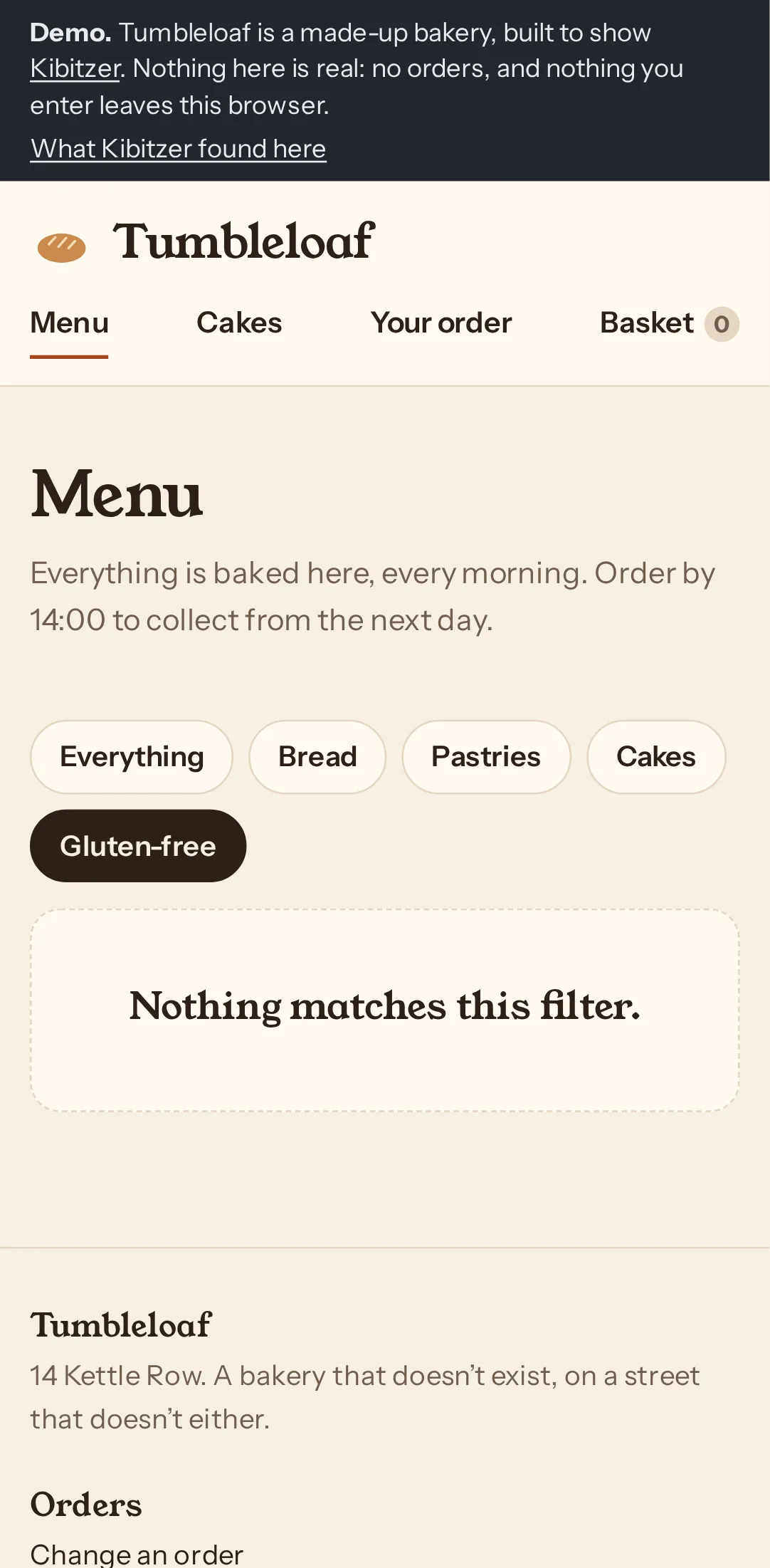
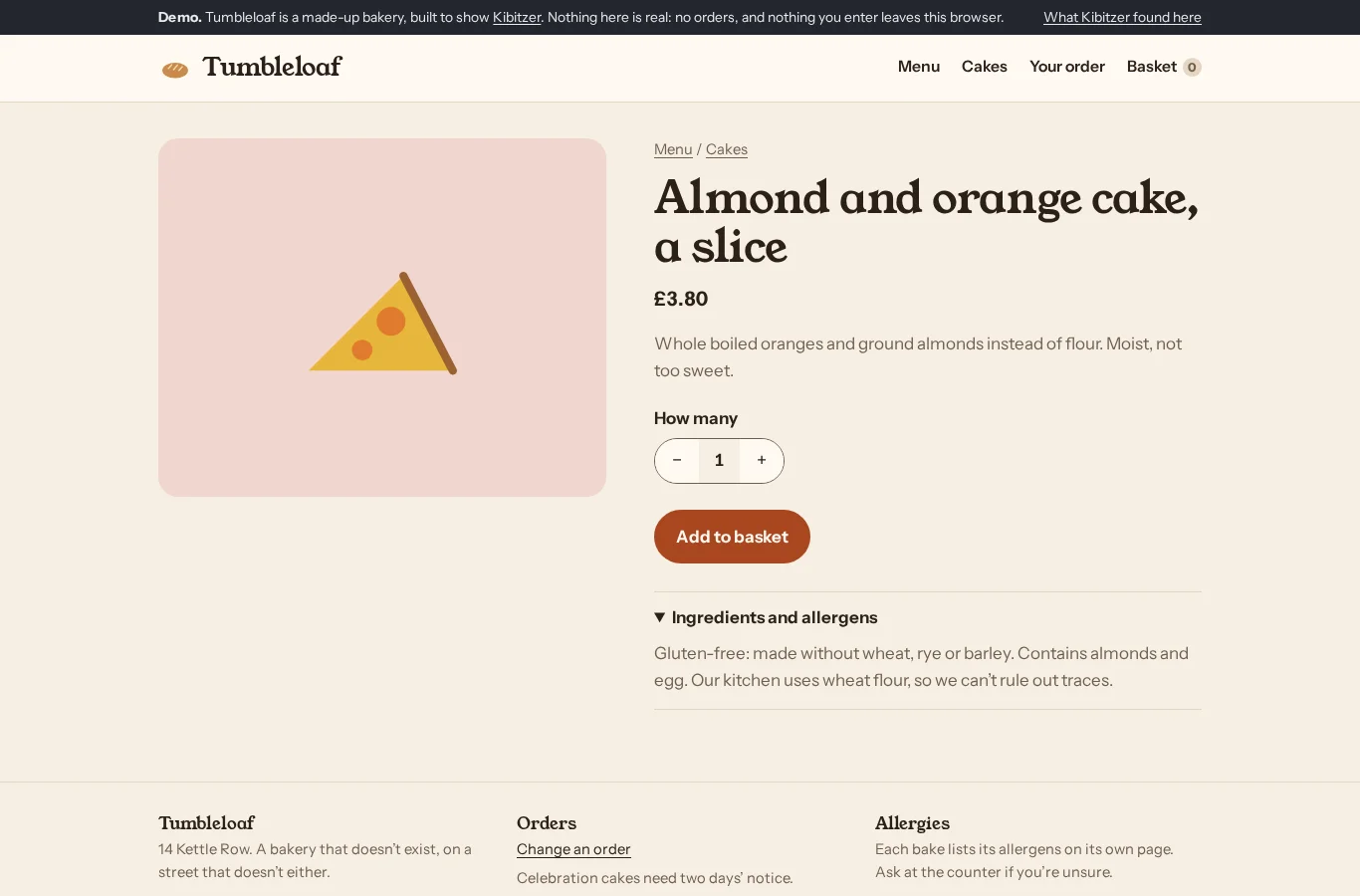
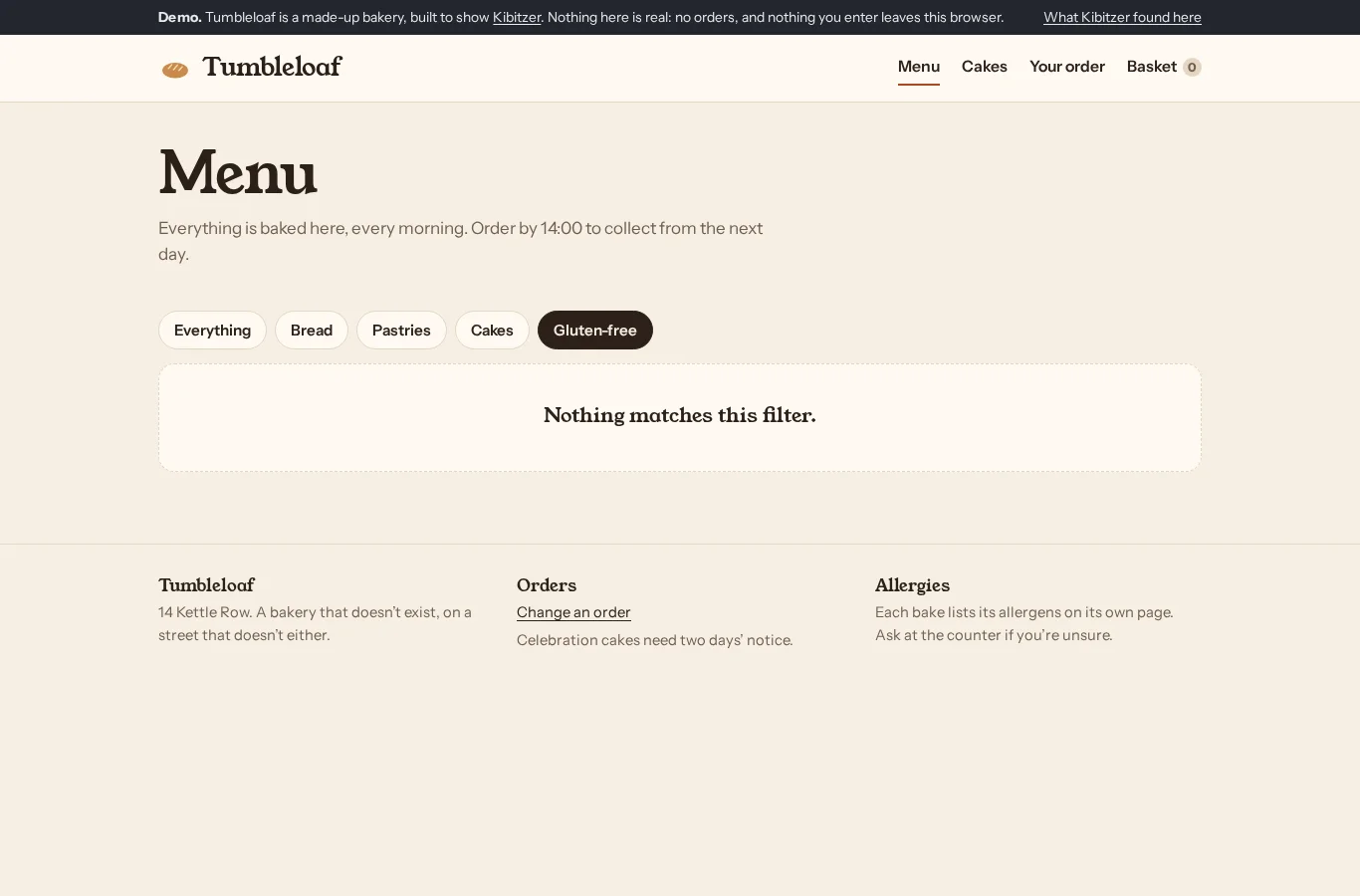
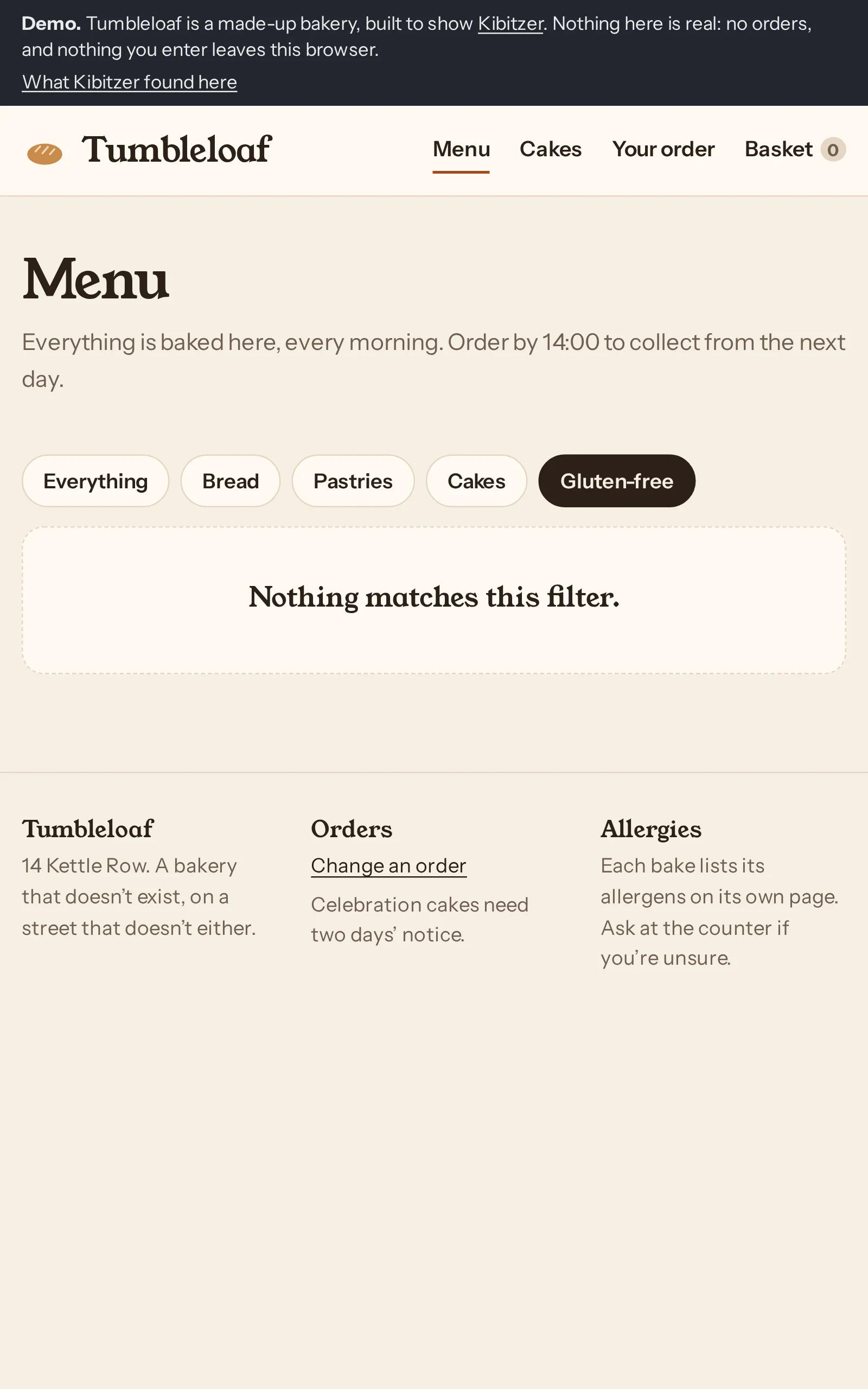
Checked by hand: the Gluten-free filter shows “Nothing matches this filter.”, though two bakes are gluten-free. One visitor stopped there. Two found the almond and orange cake by opening its allergen notes, and neither could tell whether it is safe for coeliac disease: the notes say gluten-free and, in the same breath, that traces can’t be ruled out. The automatic check counted those two as getting through.
Coeliac, on the way home, on a phone: The Gluten-free filter shows no matching items; I expected to see any gluten-free treats available.
Simulated visitors are a first pass. They find broken paths, dead ends and confusing labels. They are more patient and more literal than people, so they can’t tell you how your app feels to use. For that, you need real people.
What got in the way
What the visitors ran into, page by page, in their own words.
3 of 3 visitors/demo/menu/?c=gluten-free
The Gluten-free filter shows no matching items; I expected to see any gluten-free treats available.
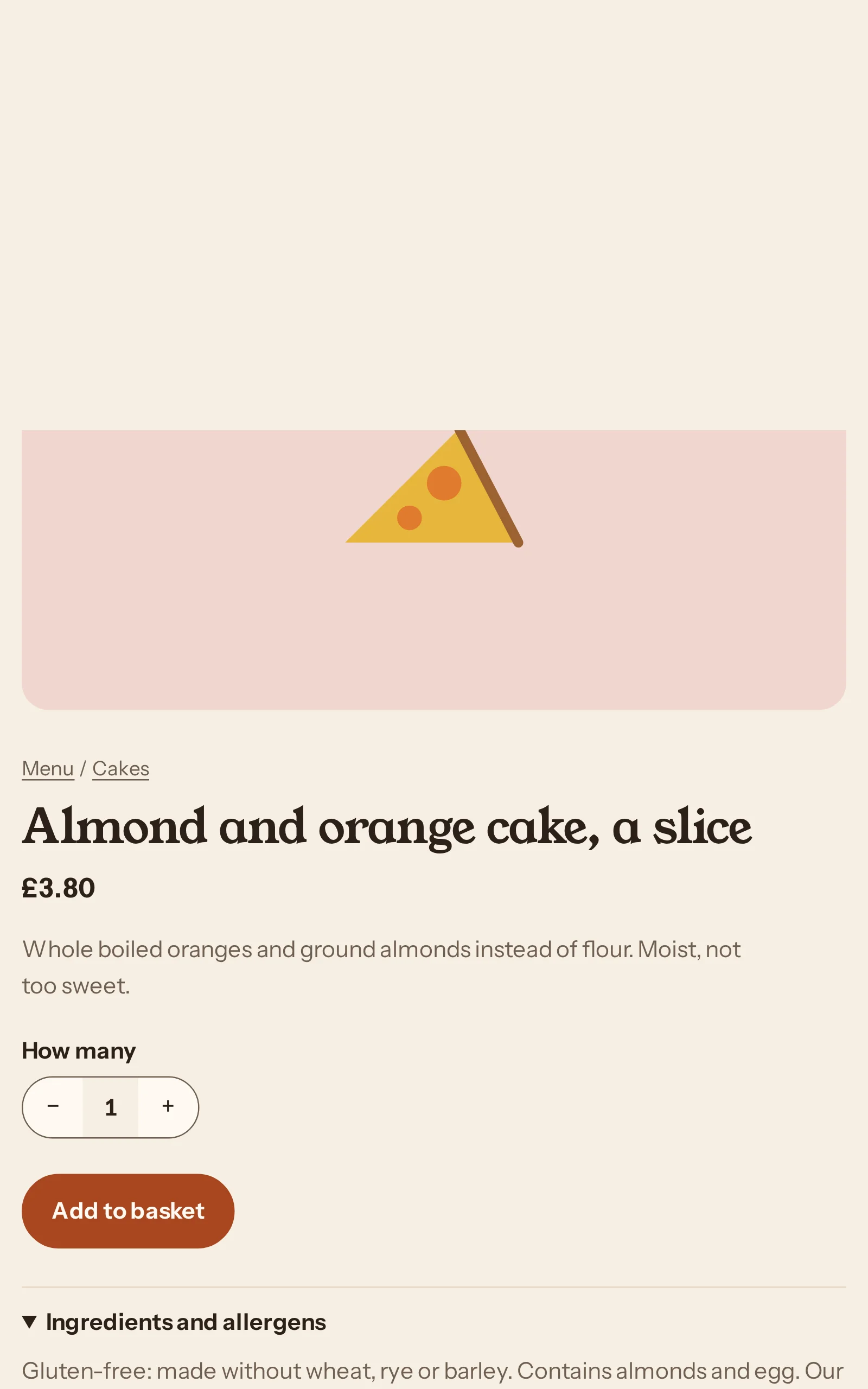
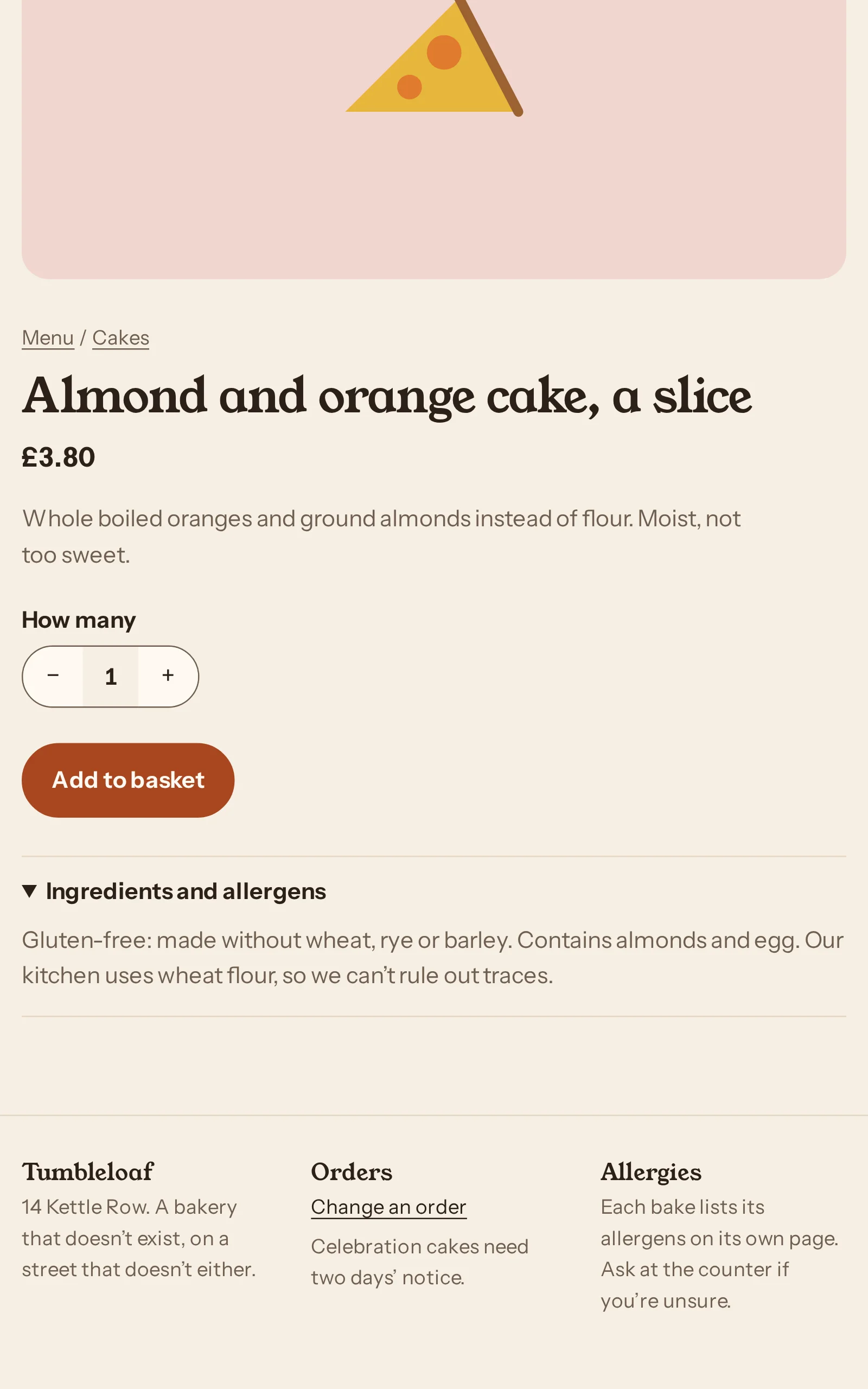
The Ingredients and allergens section calls the cake gluten-free but says wheat traces cannot be ruled out, so I can't tell whether it's safe for coeliac disease.
Each visit, step by step: what the visitor saw, thought and did. Click a screenshot to see it full size.
Find something gluten-free
What the visitors were asked
You have coeliac disease, so you can't eat anything with gluten in it. You'll walk past this bakery tomorrow and would love a treat. Find out whether they have anything you could eat, and say what it is.
Coeliac, on the way homeon a phoneStopped after 3 steps without getting there
Who:Diagnosed with coeliac disease three years ago. Checks every label, and is used to bakeries having nothing for them. Looking on their phone on the way home.
Their answer:The menu’s gluten-free filter shows no matching items, so I couldn’t find a gluten-free treat.
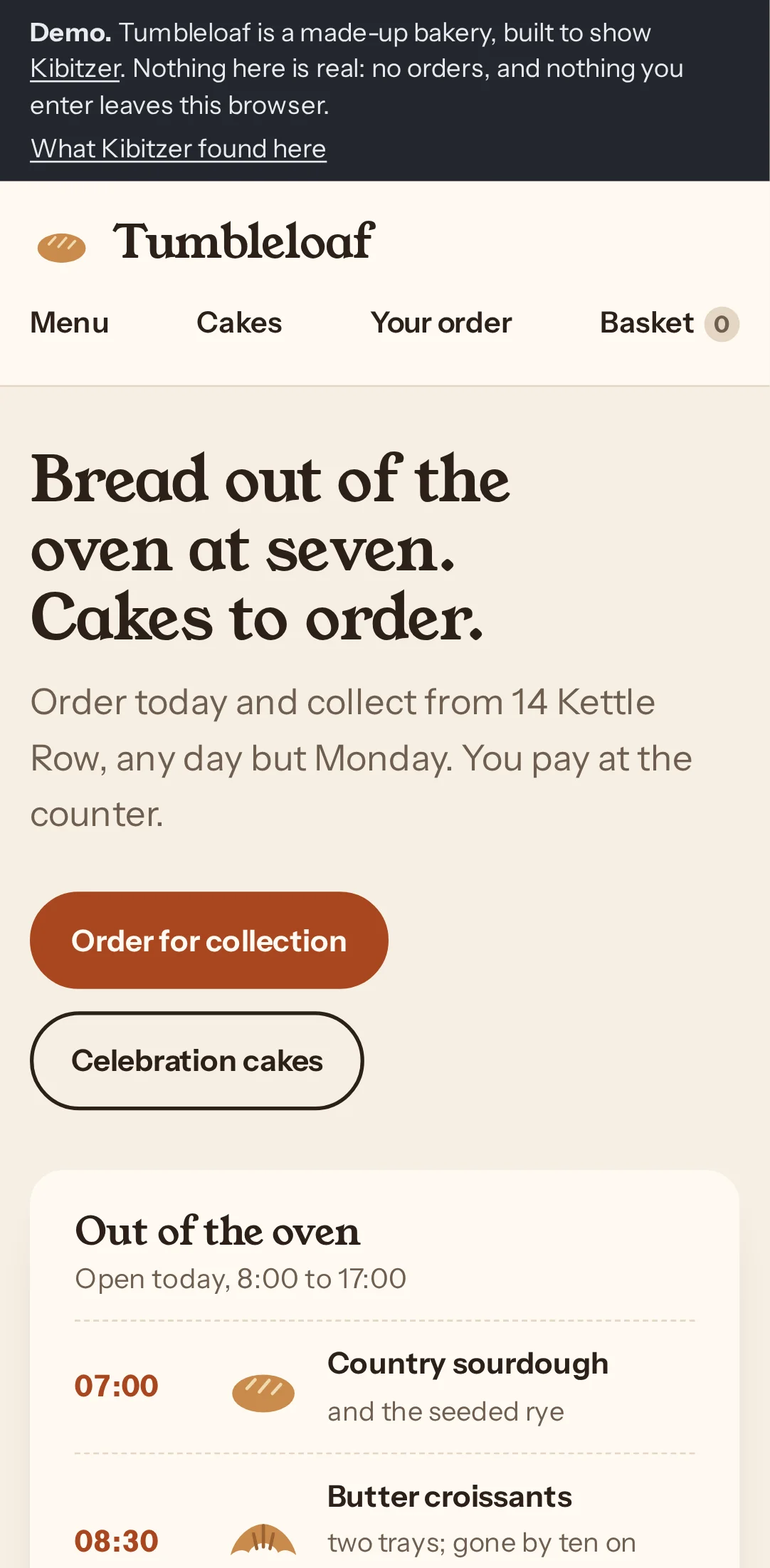
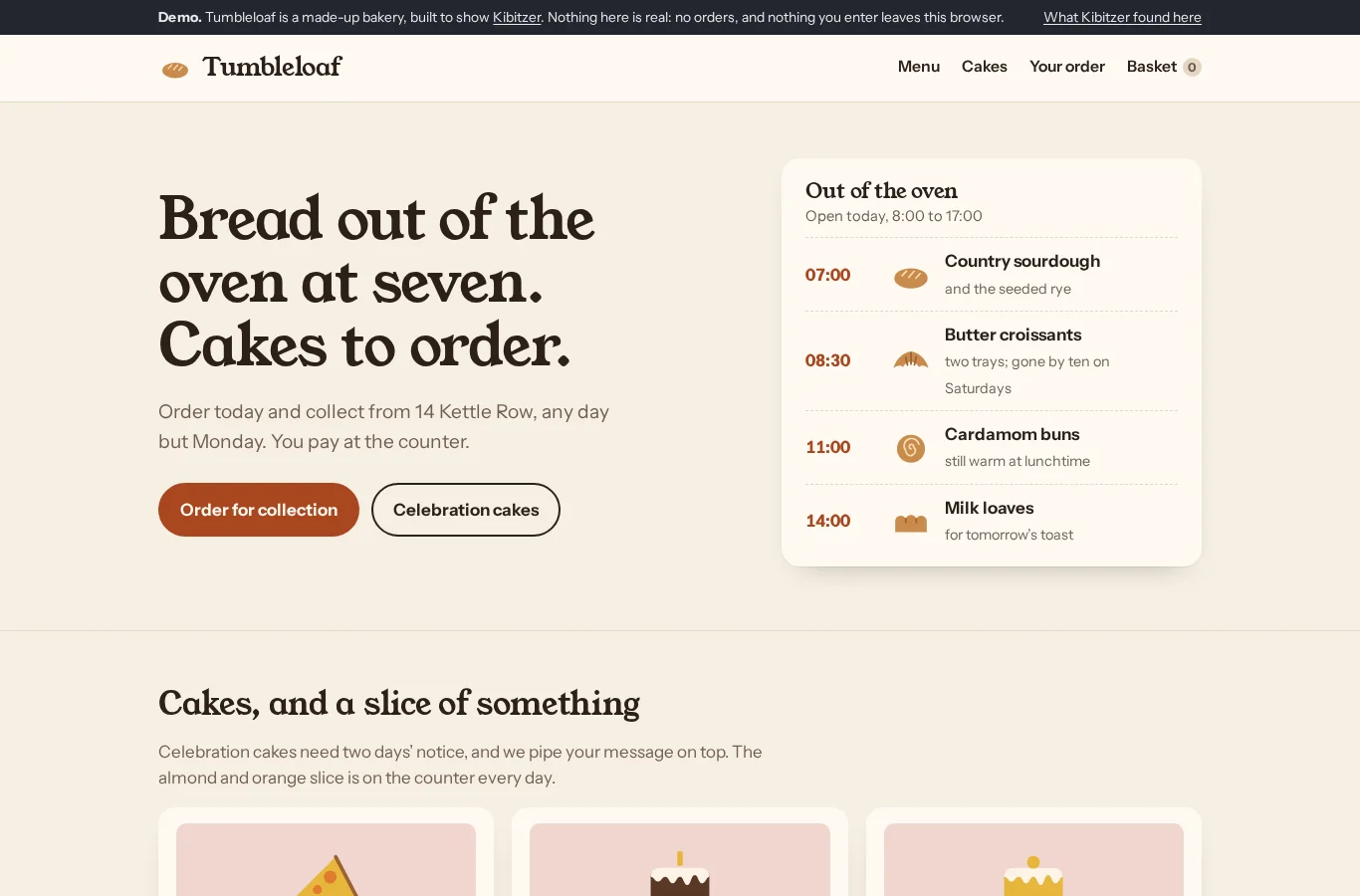
Step 1 · /demo/
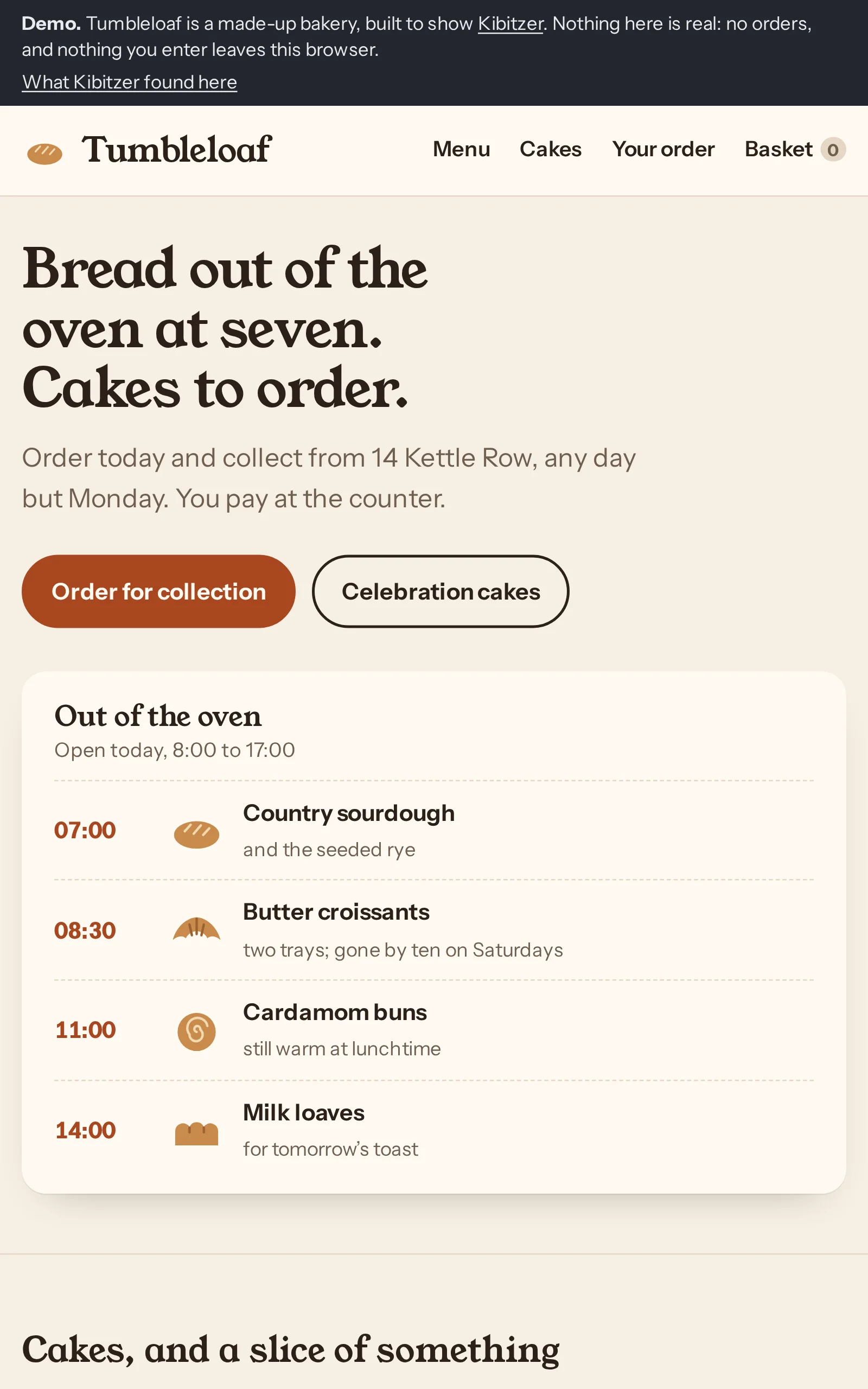
Tapped “Menu”
“I’ll check the menu for something gluten-free.”
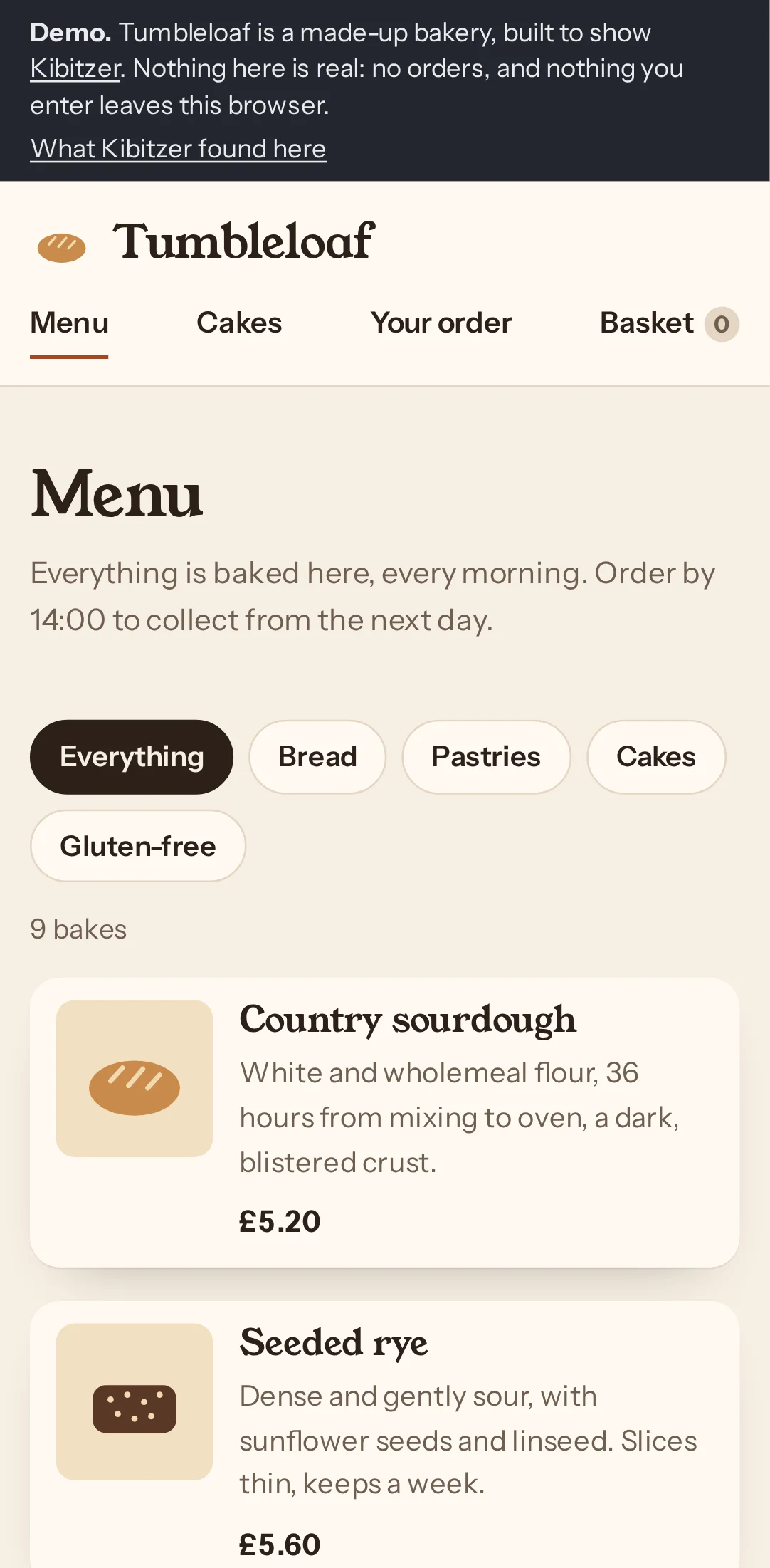
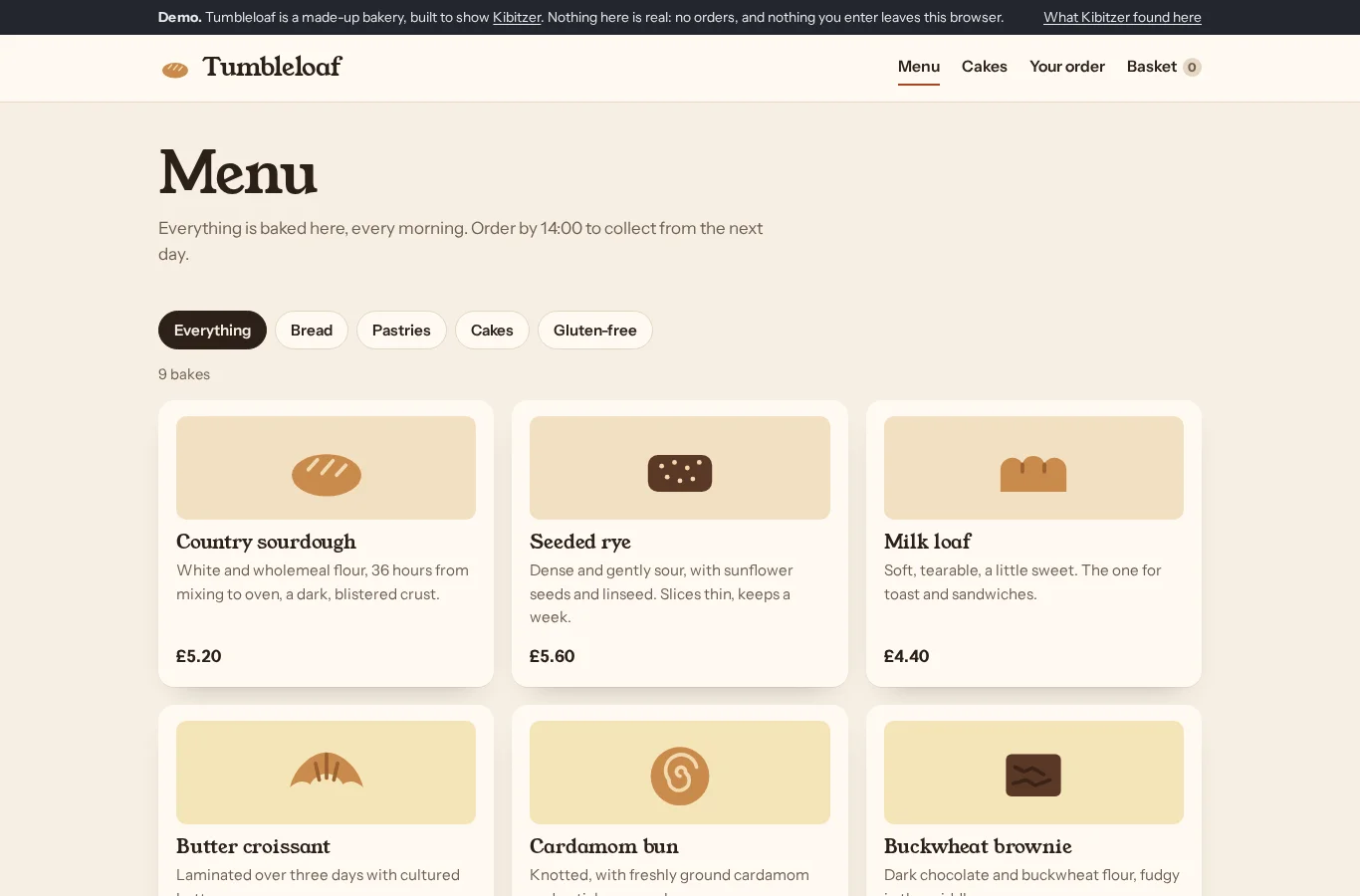
Step 2 · /demo/menu/
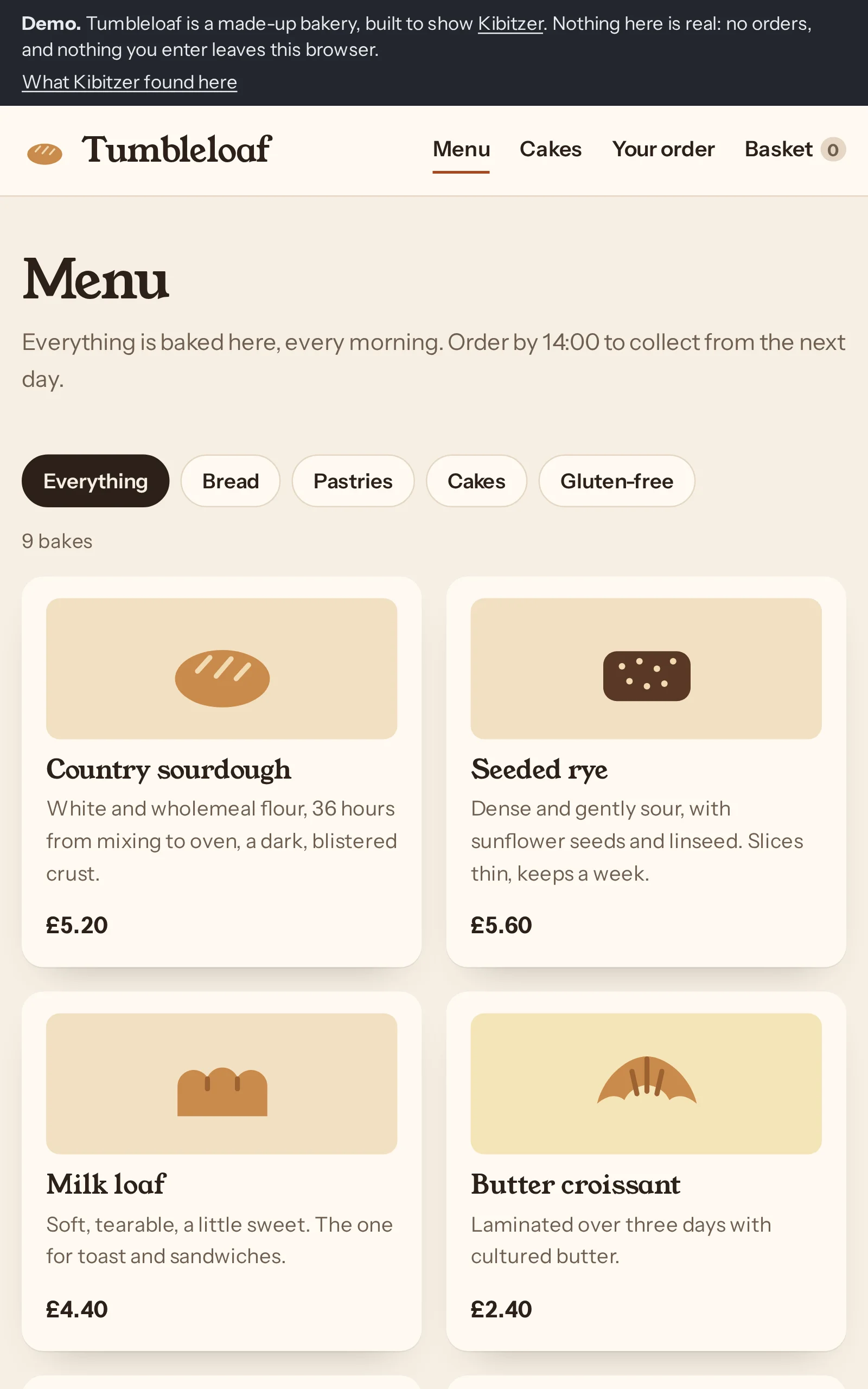
Tapped “Gluten-free”
“There’s a gluten-free filter, so I’ll see what it shows.”
Step 3 · /demo/menu/?c=gluten-free
Said they were done
The Gluten-free filter shows no matching items; I expected to see any gluten-free treats available.
Coeliac, at workon a computerGot through in 5 steps
Who:Coeliac for most of their life, reads ingredient lists closely and distrusts vague claims. At a desktop at work, with a few minutes to spare.
Their answer:No coeliac-safe treat is confirmed. The gluten-free filter returns no items; the almond and orange cake is made without wheat, rye or barley but may contain wheat traces. Ask the bakery about cross-contact before eating it.
Step 1 · /demo/
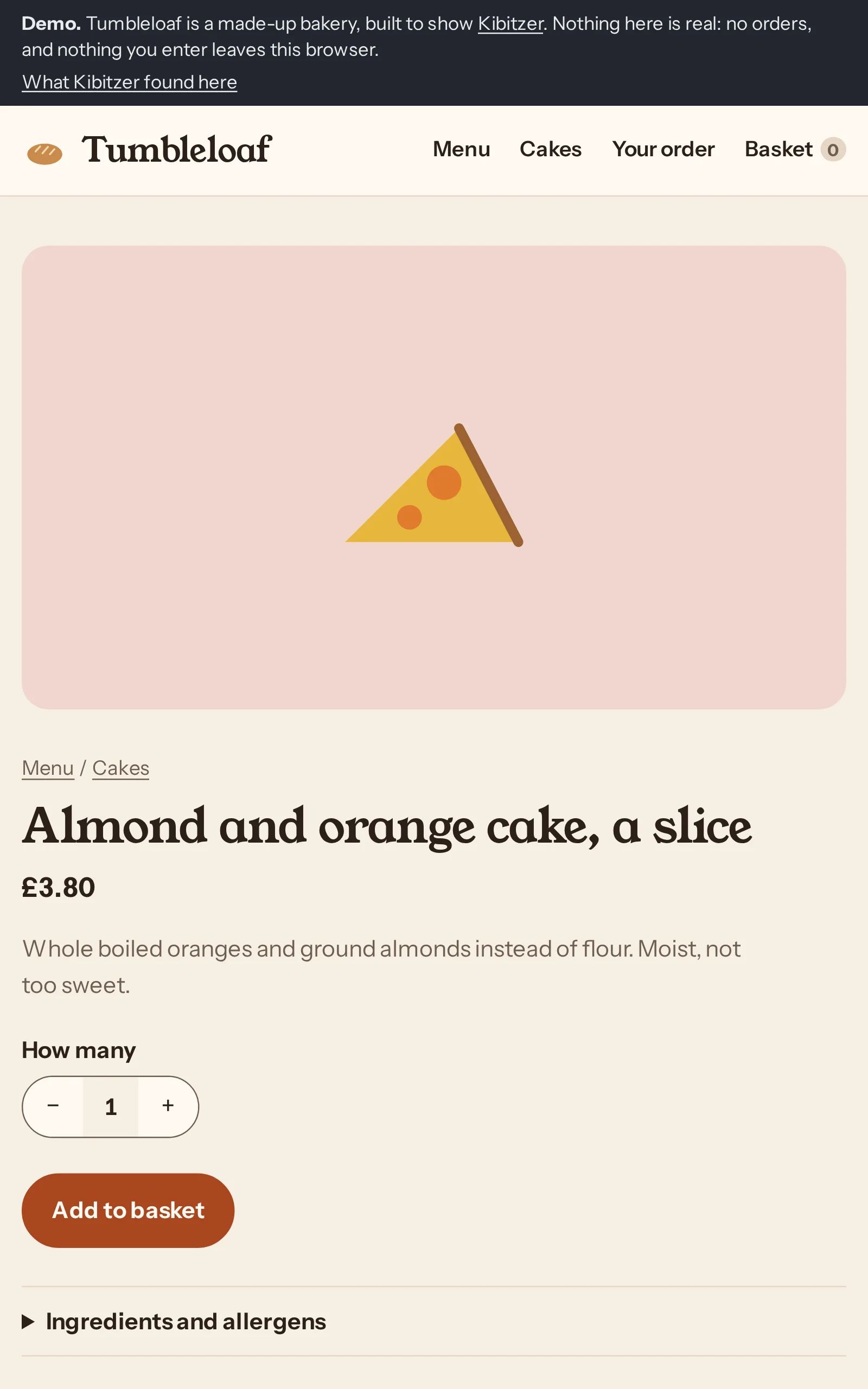
Clicked “Almond and orange cake, a slice”
“The almond and orange slice sounds promising, but I need to check its allergens and any cross-contact warning.”
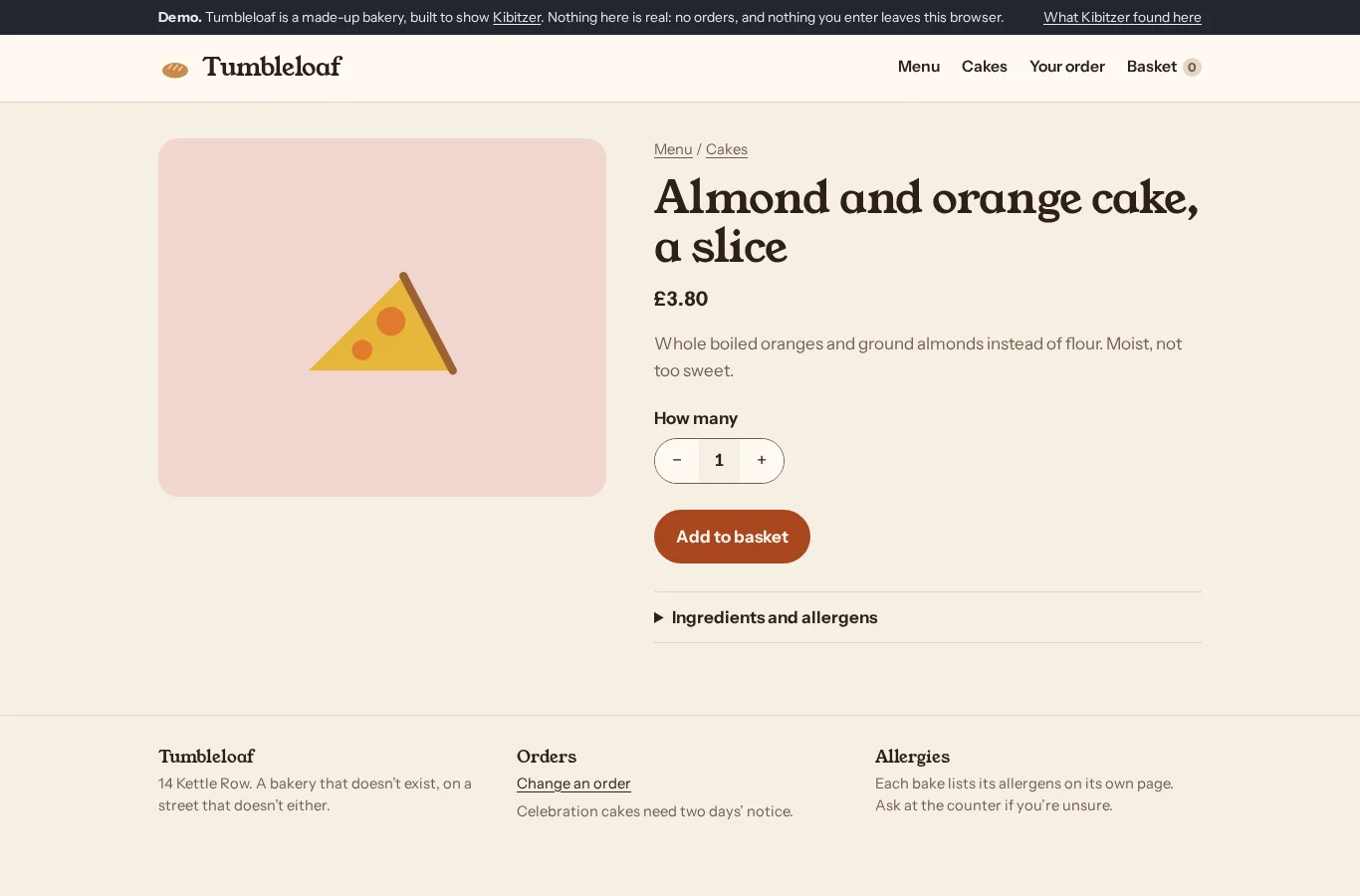
Step 2 · /demo/item/?id=almond-orange-cake
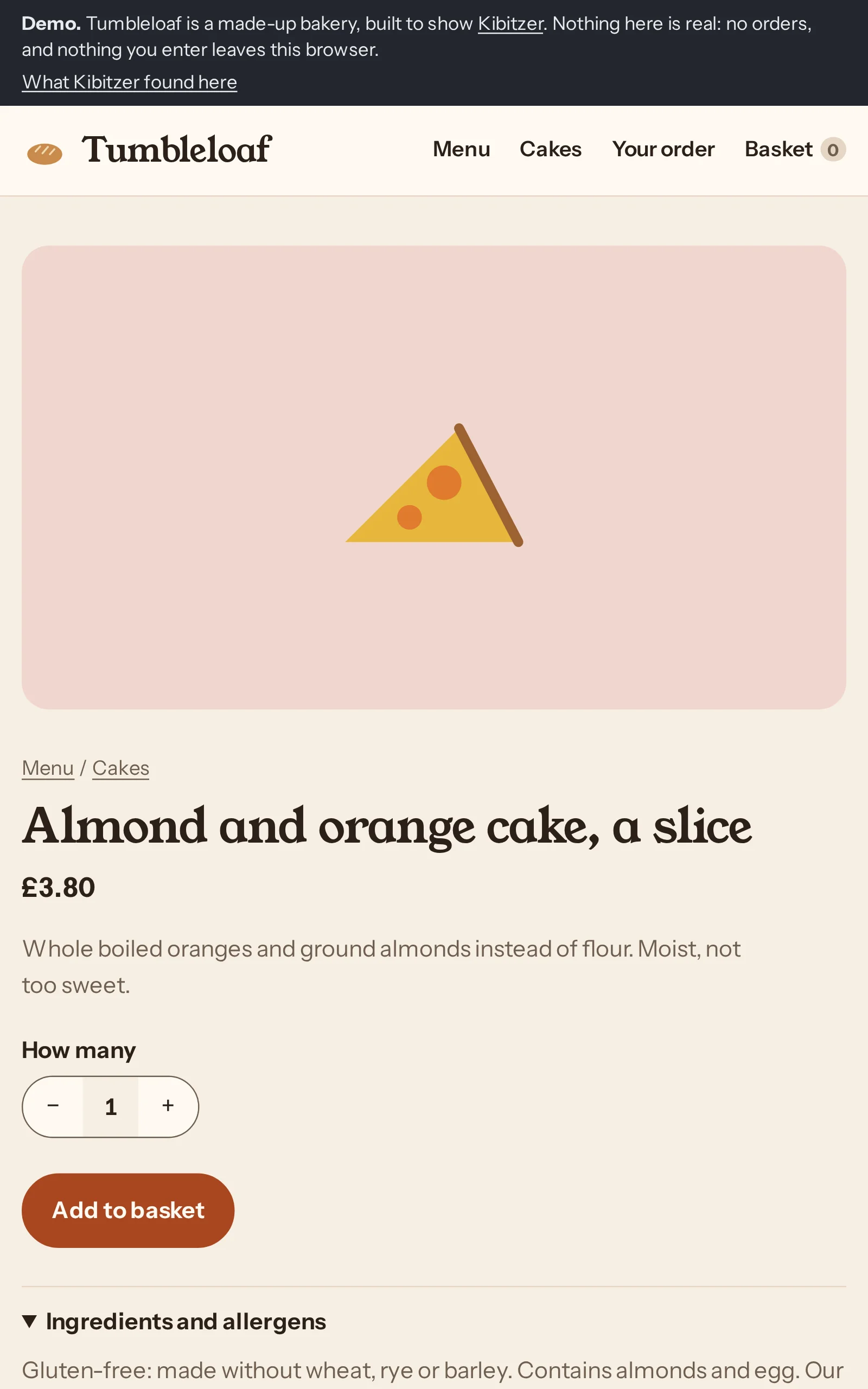
Clicked “Ingredients and allergens”
“I'll open the ingredients and allergens to check whether this slice is actually suitable.”
Step 3 · /demo/item/?id=almond-orange-cake
Clicked “Menu”
“The almond and orange cake is made without wheat, rye or barley, but possible wheat traces make it uncertain for coeliac disease. I'll check the menu for other options.”
The Ingredients and allergens section calls the cake gluten-free but says wheat traces cannot be ruled out, so I can't tell whether it's safe for coeliac disease.
Step 4 · /demo/menu/
Clicked “Gluten-free”
“I'll use the gluten-free filter to see what else they offer, then check the details.”
Step 5 · /demo/menu/?c=gluten-free
Said they were done
The Gluten-free filter shows no matches; I expected it to identify any suitable options.
Parent of a coeliac childon a tabletGot through in 10 steps
Who:Parent of a ten-year-old who was diagnosed with coeliac disease last month; still learning what to look for. Browsing on a tablet.
Their answer:The almond and orange cake (£3.80 a slice) is made without wheat, rye or barley, but the bakery cannot rule out traces of wheat flour. Its safety for coeliac disease is therefore not assured; ask at the counter before eating it.
Step 1 · /demo/
Tapped “Menu”
“I'll look at the menu for something suitable without gluten.”
Step 2 · /demo/menu/
Tapped “Gluten-free”
“There’s a gluten-free filter, so I’ll use that to find suitable treats.”
Step 3 · /demo/menu/?c=gluten-free
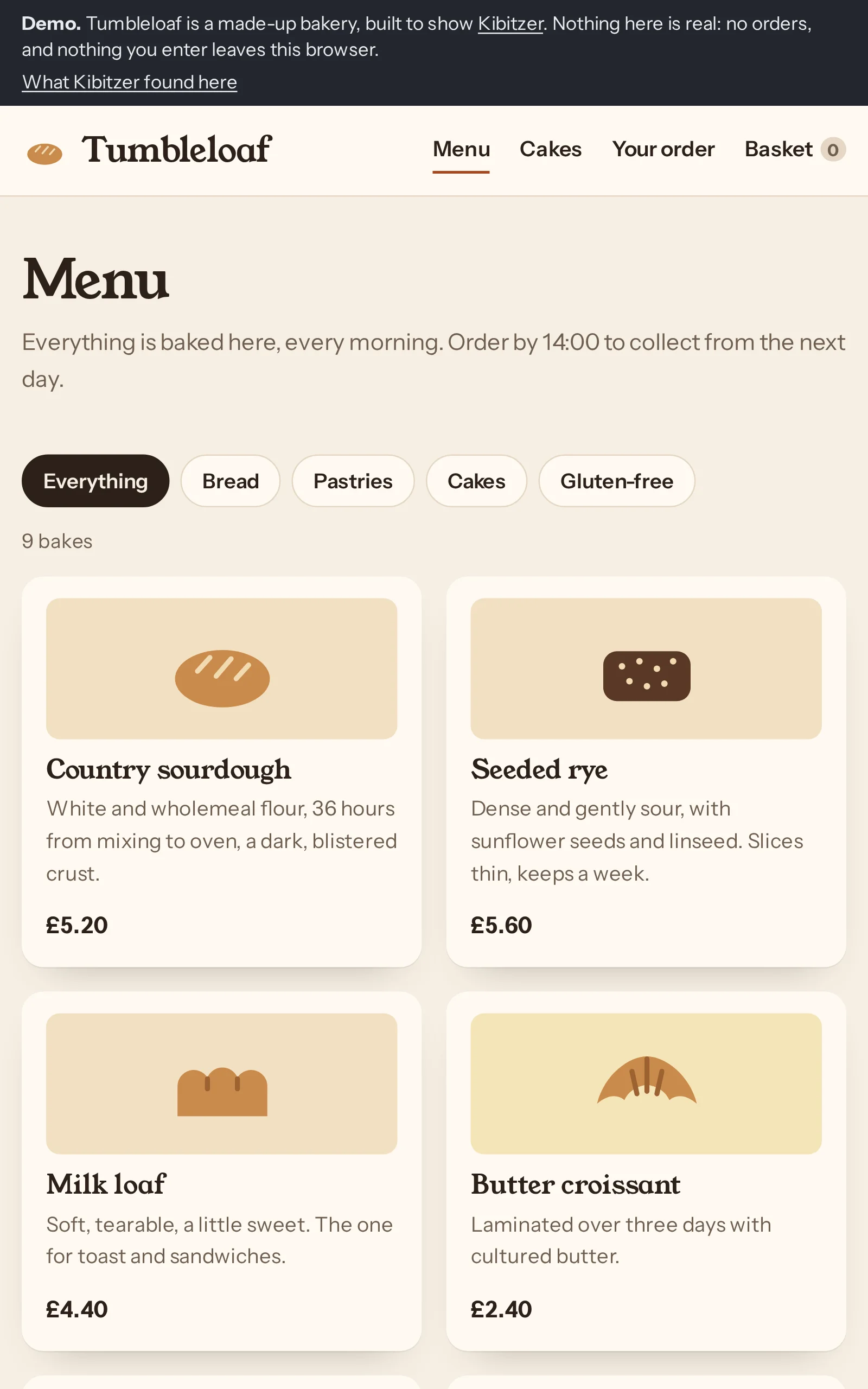
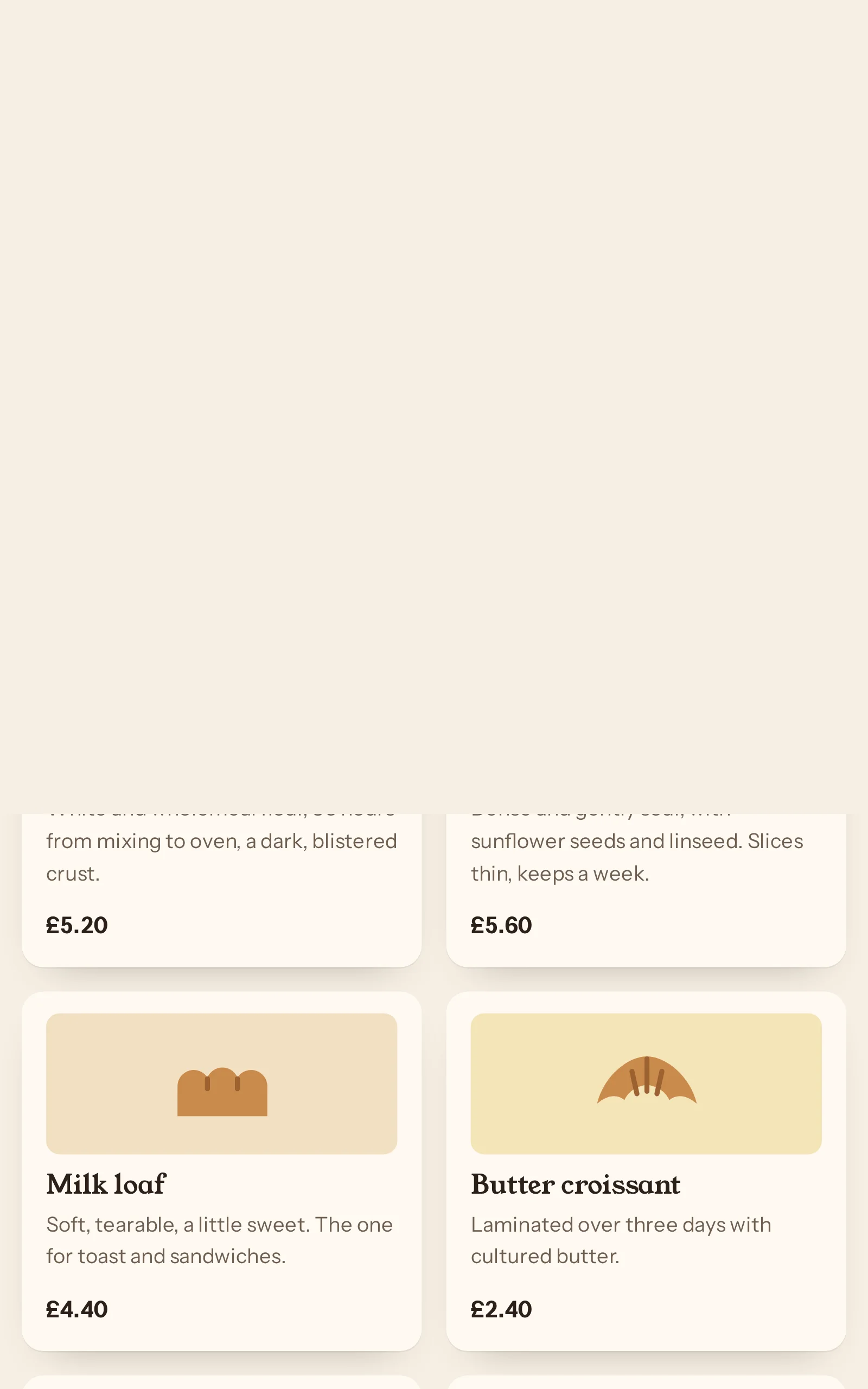
Tapped “Everything”
“The gluten-free filter found nothing, but the page says each bake lists its allergens, so I’ll check the full menu.”
The Gluten-free filter shows no matches; I expected to see any suitable treats listed.
Step 4 · /demo/menu/
Scrolled down
“I’ll look further down the menu for a treat that might be suitable.”
Step 5 · /demo/menu/
Scrolled down
“I’ll scroll further to see the other treats and check their ingredients.”
Step 6 · /demo/menu/
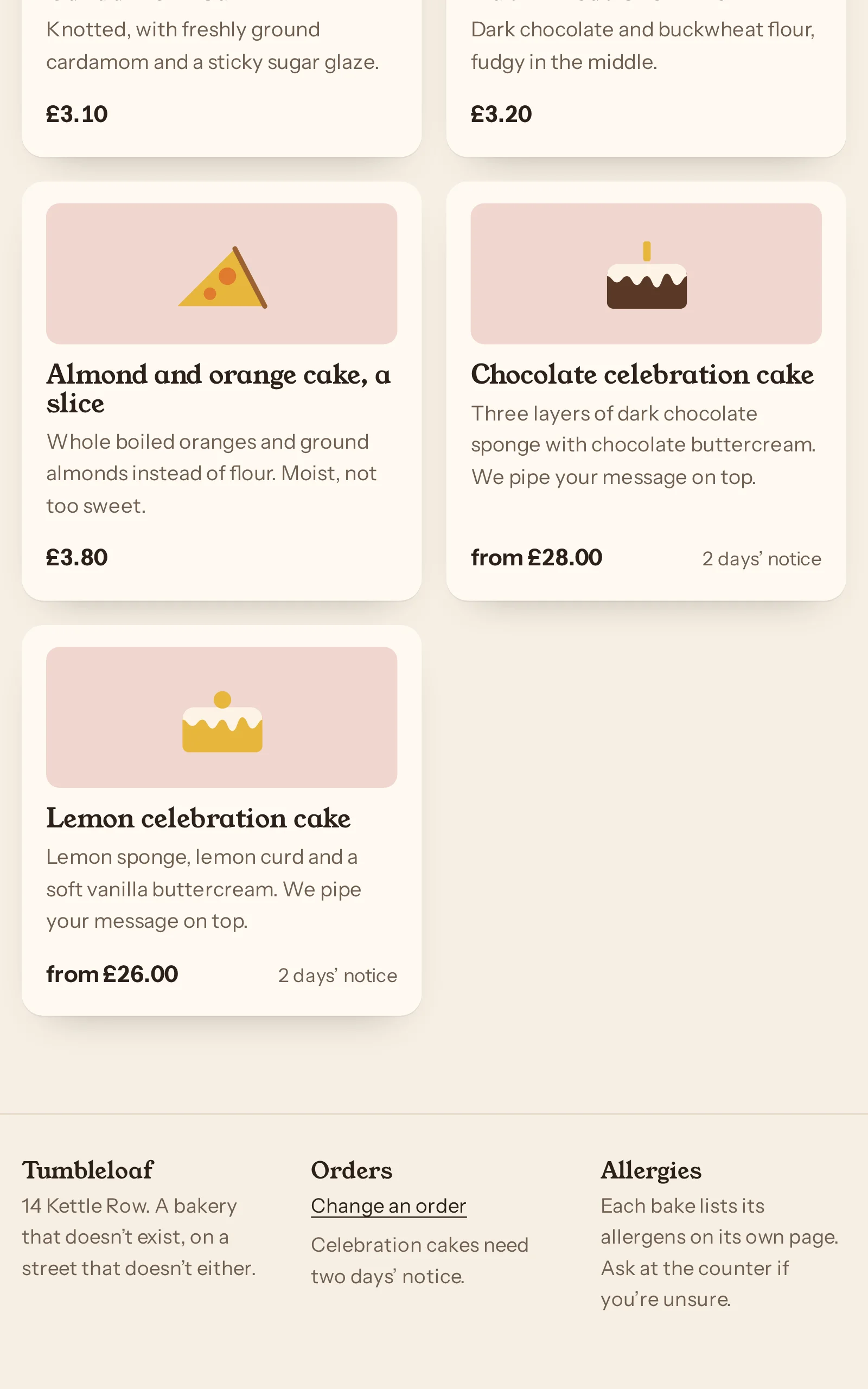
Tapped “Almond and orange cake, a slice”
“The almond and orange cake uses almonds instead of flour, so I’ll check its allergen information.”
Step 7 · /demo/item/?id=almond-orange-cake
Tapped “Ingredients and allergens”
“I’ll open the ingredients and allergens to see whether the cake is safe.”
Step 8 · /demo/item/?id=almond-orange-cake
Scrolled down
“The cake is described as gluten-free, but the rest of the allergen information is cut off. I’ll scroll down to read it.”
Step 9 · /demo/item/?id=almond-orange-cake
Scrolled down
“The allergen details are still cut off at the bottom, so I’ll scroll a little further to read the rest.”
Step 10 · /demo/item/?id=almond-orange-cake
Said they were done
“The almond and orange cake is made without gluten ingredients, but the bakery cannot rule out traces from its kitchen. I can’t be sure it’s safe for coeliac disease, so I would ask at the counter.”